tcfepjygvqr
air conditioning services with clear choices and measured comfort
What a thorough visit should actually include
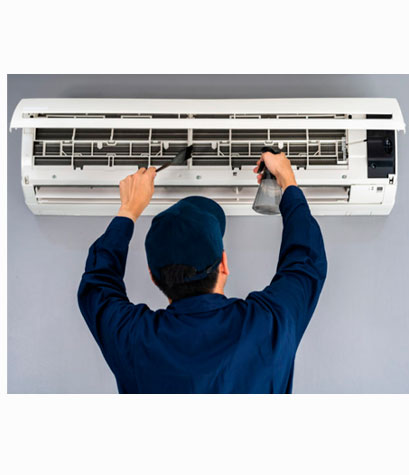
You deserve clarity before any wrench turns. A reliable technician verifies airflow, refrigerant charge, electrical integrity, and drainage first, because efficiency is earned in the fundamentals.
- Airflow and ducts: measure static pressure, inspect returns, and confirm 350 - 450 CFM per ton so the coil can do its job.
- Refrigerant balance: superheat/subcool targets, looking for the sweet spot - neither starved nor flooded.
- Electrical and safety: capacitors, contactors, disconnect, and tight lugs; no arcing surprises.
- Condensate and cleanliness: clear the trap, flush the line, and keep the pan dry to avoid ceiling stains.
- Thermostat calibration: a degree off can look like a failing system; awareness reduces false alarms.
Real-world pulse: at 3:10 p.m. on a humid Tuesday, a small café cooled back to steady after the tech cleared a clogged condensate line and reset a short-cycling float switch. Simple fix, big relief.
Repair or replace: the final call
My first move is to keep what you have if performance returns with targeted repairs and the unit is stable under load. On second thought, if efficiency is slipping year over year, noise is rising, and parts availability is thin, replacement prevents serial costs.
- Age and condition: under 10 years with a sound compressor favors repair; heavy coil corrosion or repeated hard-starts tip the scale to replace.
- Bills and comfort: 15 - 25% higher energy use with the same weather points to poor efficiency; no sense feeding waste.
- Refrigerant reality: systems transitioning from older blends may trap you in higher service costs - factor that in.
- Capacity match: rooms that never stabilize hint at sizing or duct design; solving that sometimes requires a right-sized replacement and duct tuning.
If the quote gap between a major repair and a high-efficiency, correctly sized unit is narrow, I finalize the decision toward new. If the gap is wide and the system proves tight and quiet after tune-up, I close the file with repair.
Efficiency that shows up on the bill
- SEER2/low-load behavior: choose high SEER2 only if ducts and airflow are verified; otherwise, premium gear underperforms.
- Right-size by calculation: a Manual J load and duct review prevent short cycling and hot-cold pockets.
- Thermostat strategy: steady schedules, mild setbacks, and smart dehumidification; comfort first, theatrics later.
- Filter fit: use the highest MERV your blower can handle without choking airflow; clean beats restrictive.
- Duct sealing: wasted air is silent cost; sealing returns often pays back faster than new hardware.
Timeframes, pricing, and what to expect
Typical diagnostics run 45 - 90 minutes. Minor repairs may finish same day; coil or compressor work usually needs parts ordering and a second visit. You'll want a clear labor rate, parts list, and any permit or warranty notes - no blurred lines.
- Upfront scope: what's included, what's provisional, and how rechecks are handled.
- Photos and readings: pressures, temps, and static before and after; data makes decisions calm.
- Warranty balance: parts vs. labor clarity; a 10-year parts promise isn't 10 years of labor.
Maintenance that prevents surprises
Consistency beats heroics. Small steps maintain efficiency and extend life.
- Change filters on schedule and keep returns unobstructed.
- Rinse outdoor coils gently; no bent fins, no pressure-washer drama.
- Flush the condensate line and place tablets in the pan before peak season.
- Verify thermostat sensors yearly; a quiet 2°F drift is expensive.
- Review ducts every few years; insulation slumps, mastic dries, leaks creep.
Final word: confirm airflow, prove stability, price the path, then decide once. Awareness protects your wallet; efficiency protects your comfort. That's the balance worth keeping.